Hello from Shadowless Labs.
We wanted to share a quick update on what we have been building and where things are headed.
Shadowless Labs exists to build robotics for the individual: systems that are open, repairable, teachable, and capable of living alongside people rather than disappearing behind sealed hardware and opaque software. That mission continues to guide everything we do.
Since launch, we have been laying the groundwork in public through the site, our docs, and our early project writeups. We recently shared that Shadowless Labs was invited to provide expert input to the U.S. Government Accountability Office on artificial intelligence in cybersecurity. That was an encouraging signal that the questions we care about here reach beyond any single prototype.
At the same time, progress on the hardware side has continued.
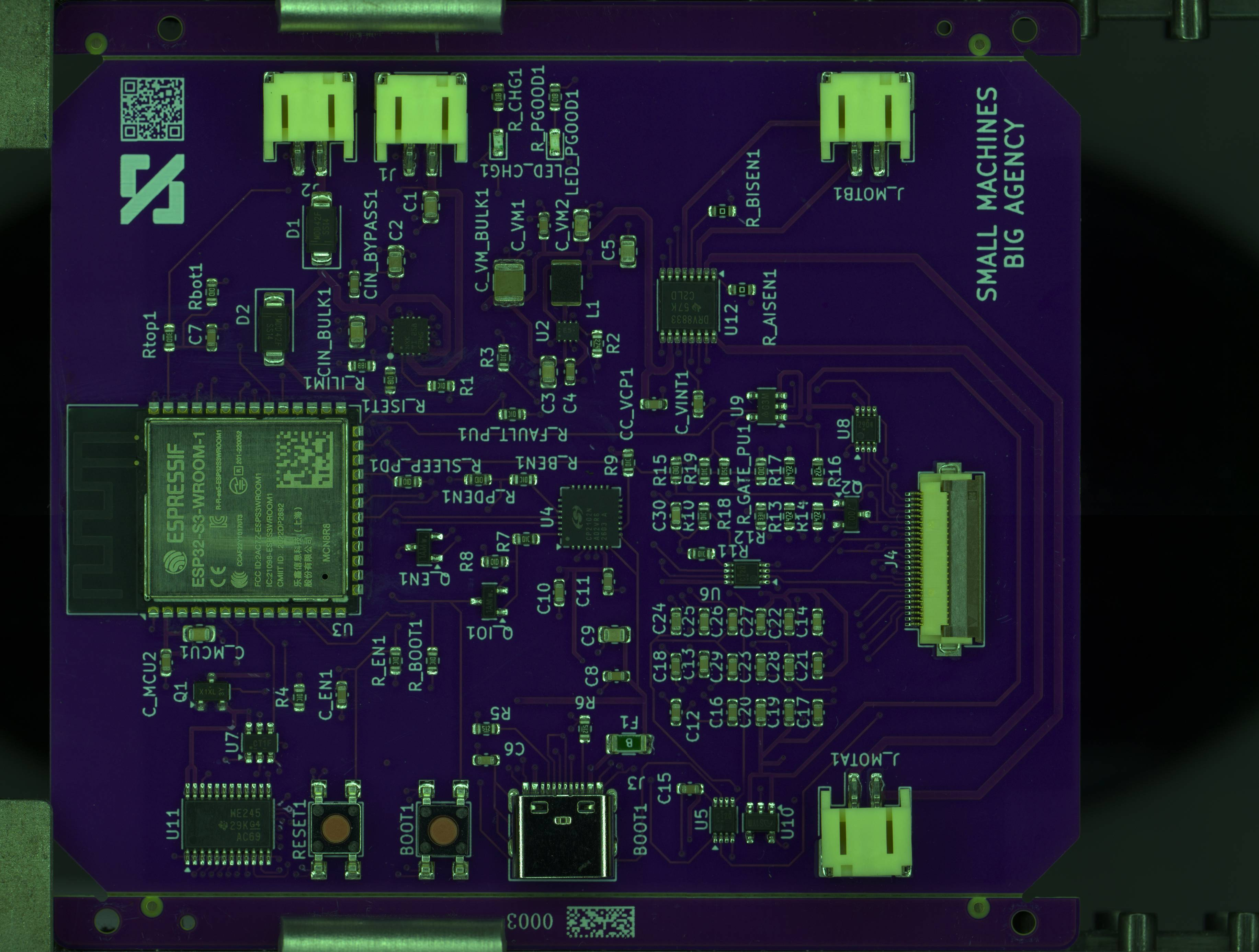
Our first robot effort remains centered on a small autonomous learning platform: a solar-oriented robot designed to help people build real intuition about robotics, low-power systems, autonomy, and machine perception. The goal is not just to ship a gadget. The goal is to make autonomy understandable and buildable.
Lately, much of our effort has been deep in the trenches of PCB design and component strategy:
- iterating on the main board design,
- working through manufacturability constraints,
- refining power architecture,
- checking component availability,
- and preparing assembled board runs for real-world testing.
This part of robotics is rarely glamorous, but it matters. If autonomous machines are going to belong to individuals, they have to be understandable, repairable, and grounded in parts and designs that people can actually access.
We have also been thinking hard about supply chains, design resilience, and how to build hardware projects that can survive real-world component volatility instead of collapsing when one part disappears. That philosophy will continue shaping both our products and the educational material we publish.
On the documentation side, we have started building out more of the knowledge layer around the project as well, including posts on getting started in robotics and thinking through microcontroller power budgets. Over time, expect a lot more practical material aimed at helping people go from curiosity to real capability.
What comes next:
- more PCB iteration and board validation,
- more documentation around design decisions,
- more visibility into how these systems are actually built,
- and continued progress toward a robot platform people can learn from, modify, and truly own.
Thanks for following along this early. Every reader, subscriber, and supporter helps make this possible.
If the mission resonates with you, keep an eye on the site, share the project with someone who cares about robotics, and stay connected as we continue building.
/// SMALL MACHINES, BIG AGENCY ///
/// KNOWLEDGE IS AUTONOMY ///
/// BUILD THE HUMAN–ROBOT FUTURE ///
— Shadowless Labs